Japan / Seto Inland Sea / Okayama
A private journey through the art islands of the Seto Inland Sea
A Message from the Founder
"There are places in Japan that the guidebooks have not yet found. Places where the light falls differently, where silence has texture, where the sea breathes slowly — and where you remember who you are. I built this journey because I wanted my guests to feel what I feel every time I stand on these islands. Not as a tourist. As family."
Okayama
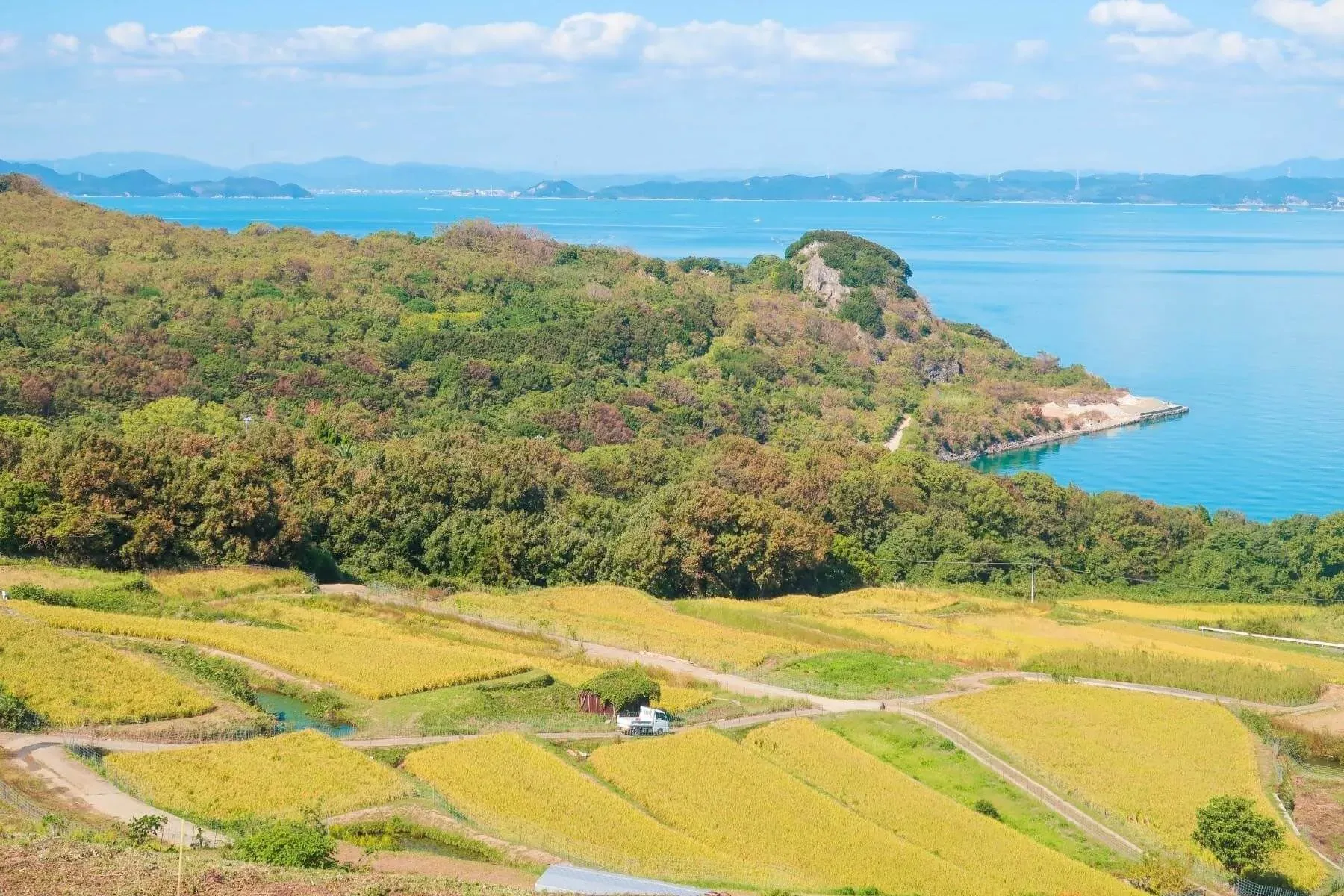
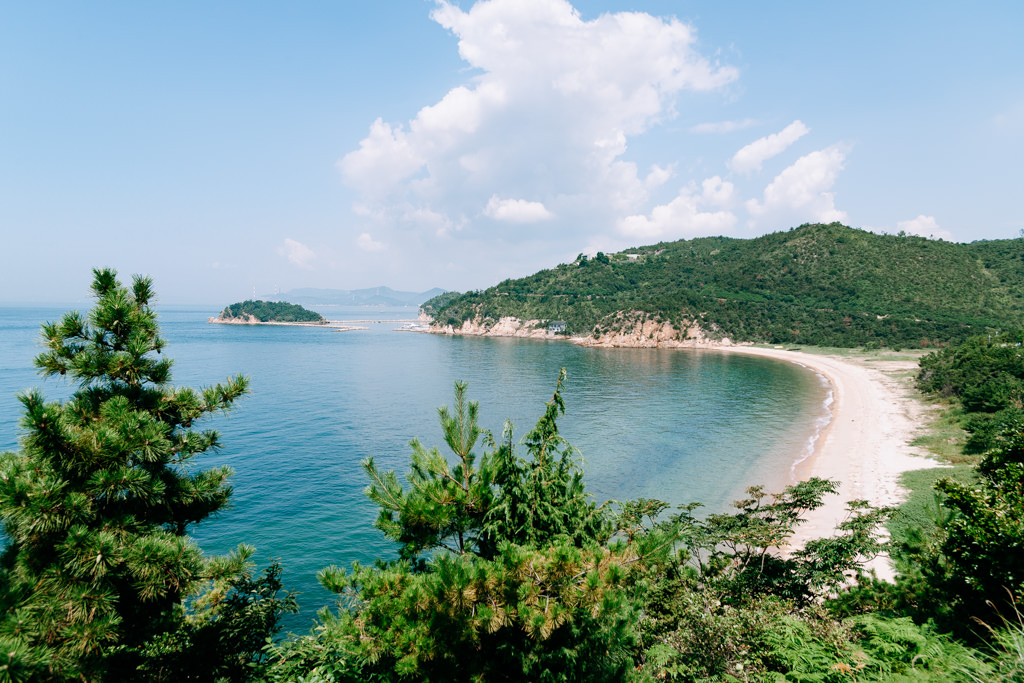
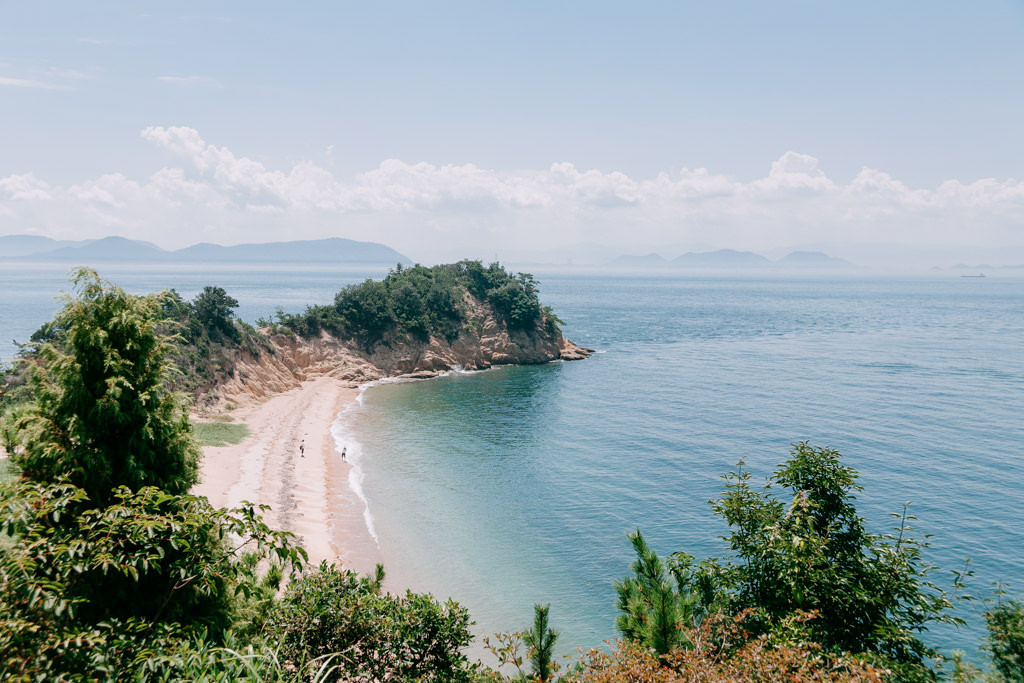
The Seto Inland Sea has always known a different rhythm. Warmed by a mild climate, scattered with hundreds of islands, fed by waters rich with fish and salt air — this is a Japan that moves at the pace of the tide, not the bullet train.
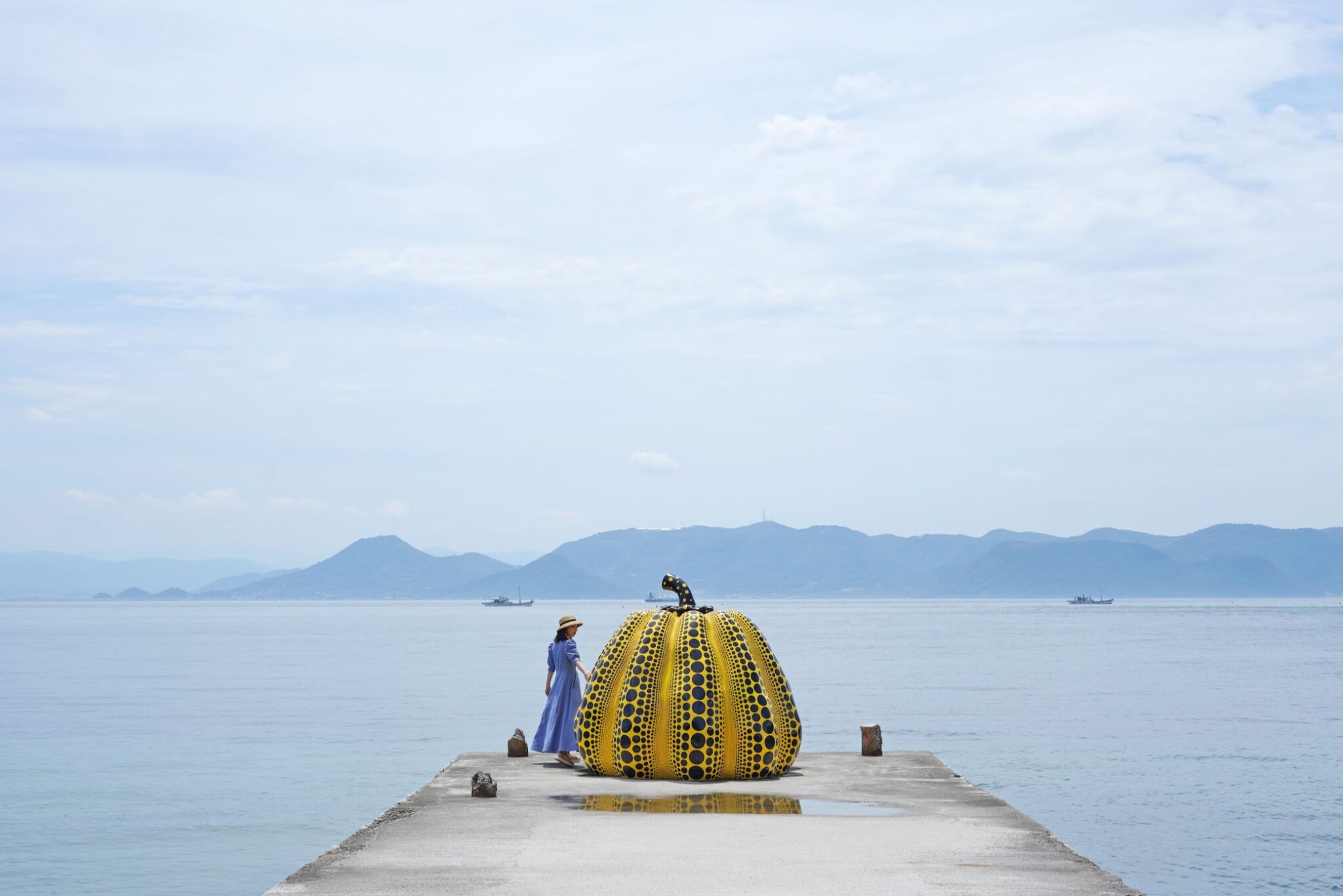
From the harbour town of Uno, the islands of Naoshima and Teshima are just minutes away by ferry. Yet in spirit, they feel like another world entirely. Here, world-class art sits quietly beside fishing boats. Ancient forests meet the open sea. You arrive as a visitor. You leave as someone changed.
Itinerary
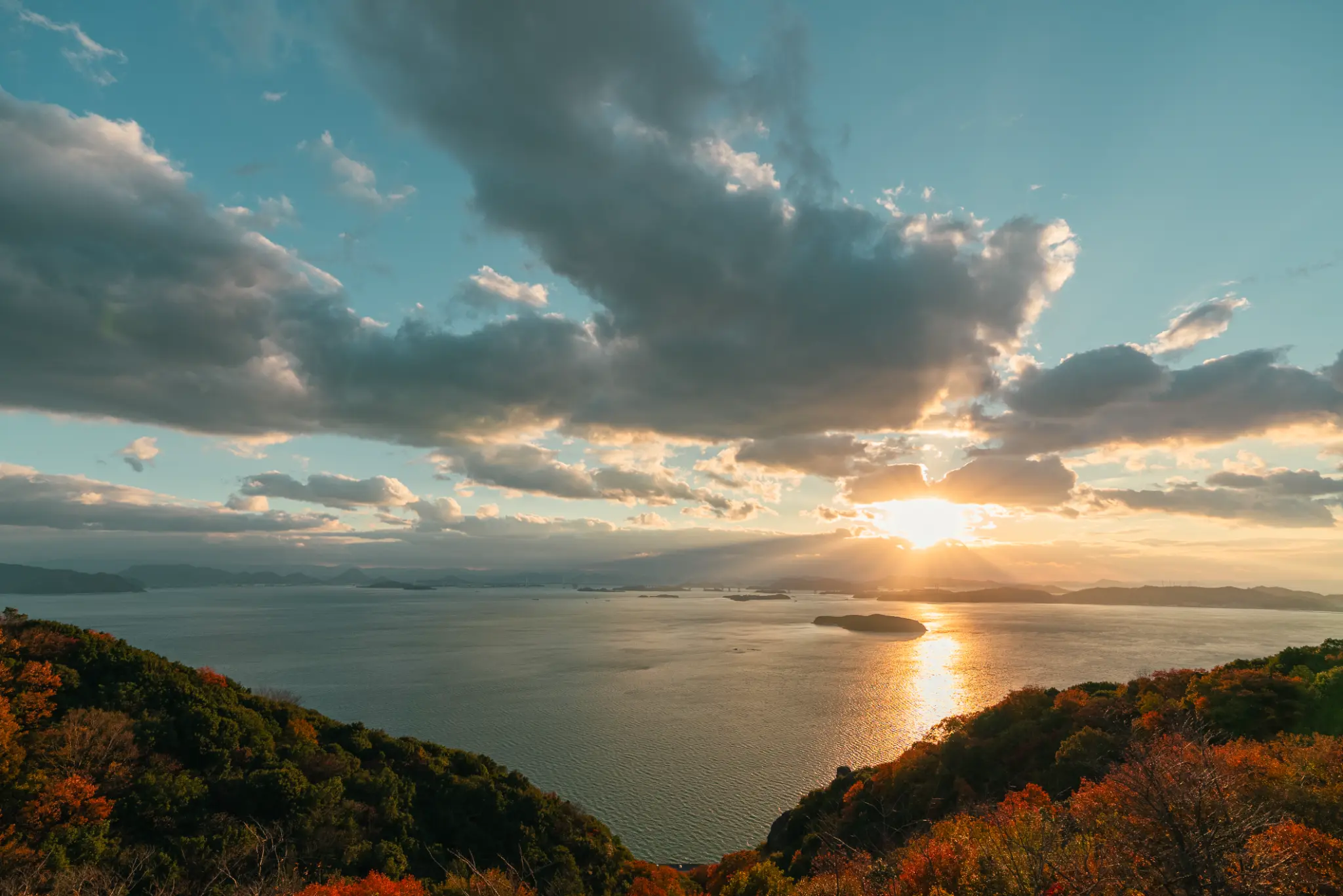
Ascend through cedar forest to a ridge overlooking the Seto Inland Sea. Stay until the sky turns to embers.
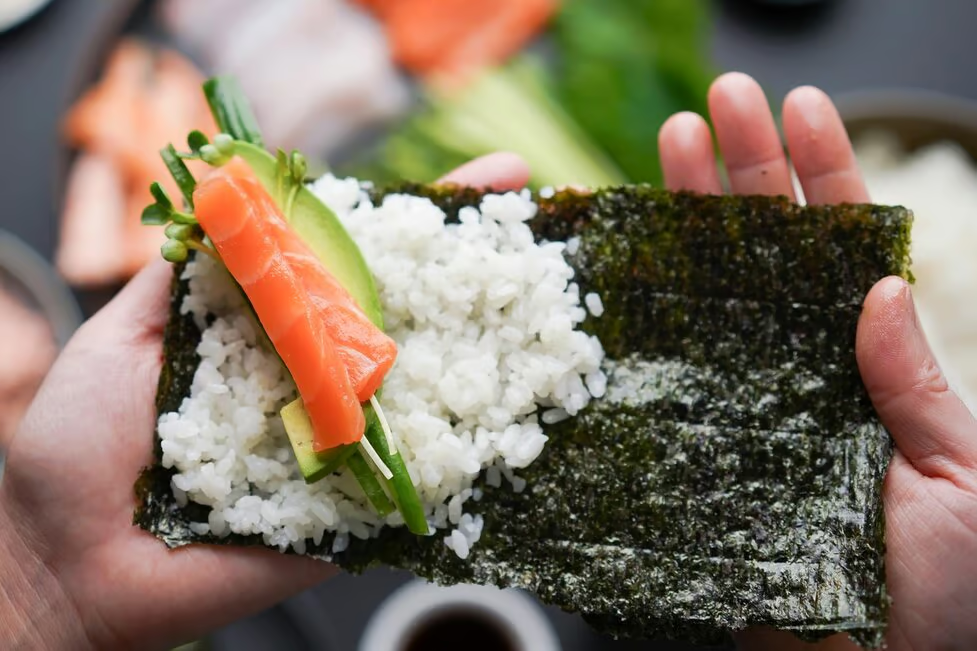
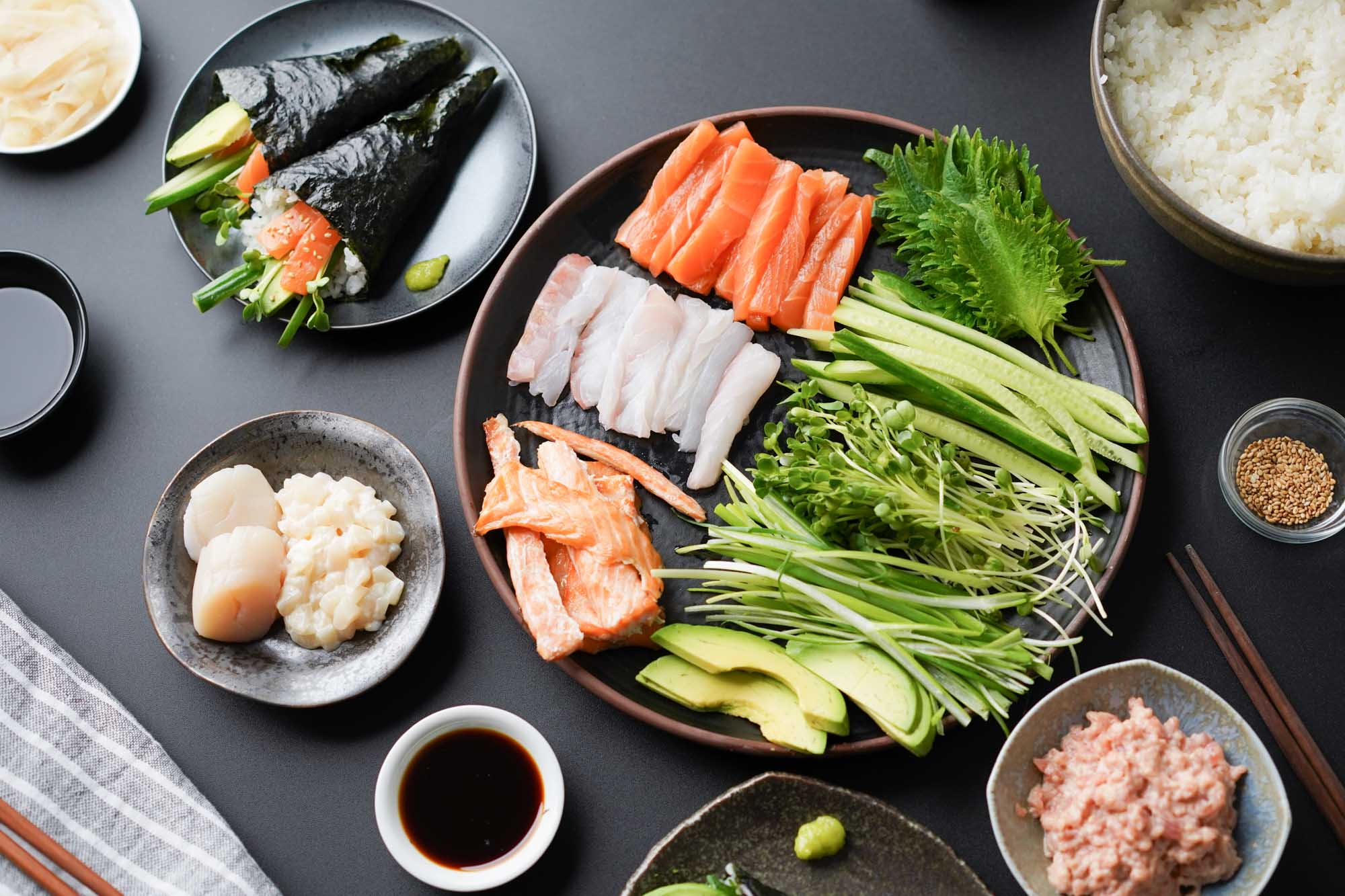
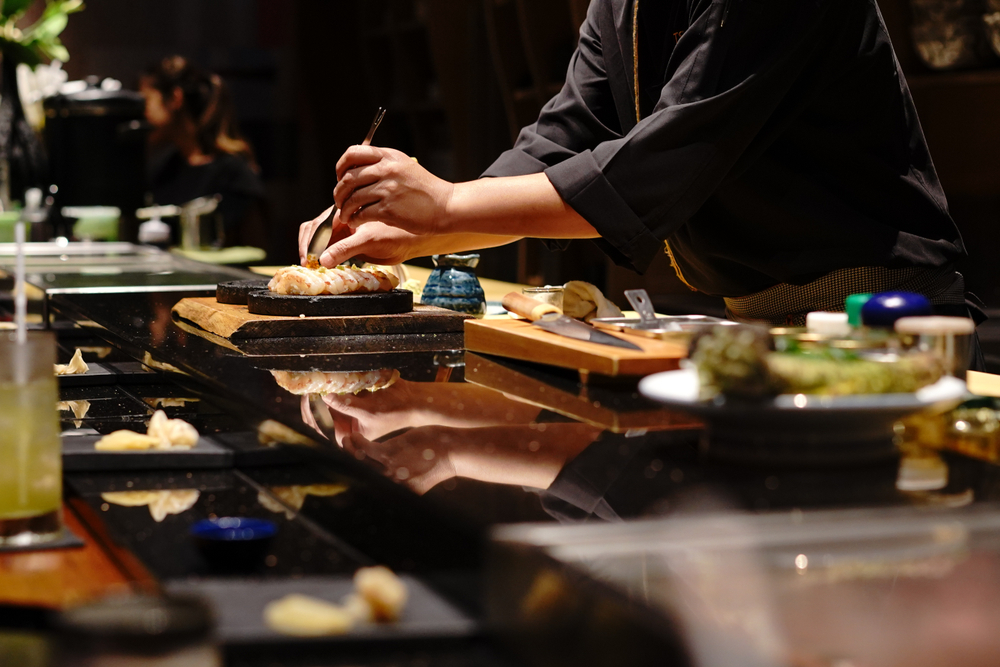
Return to the villa. Your guide brings the catch of the day. You prepare sushi together — unhurried, around the kitchen table.
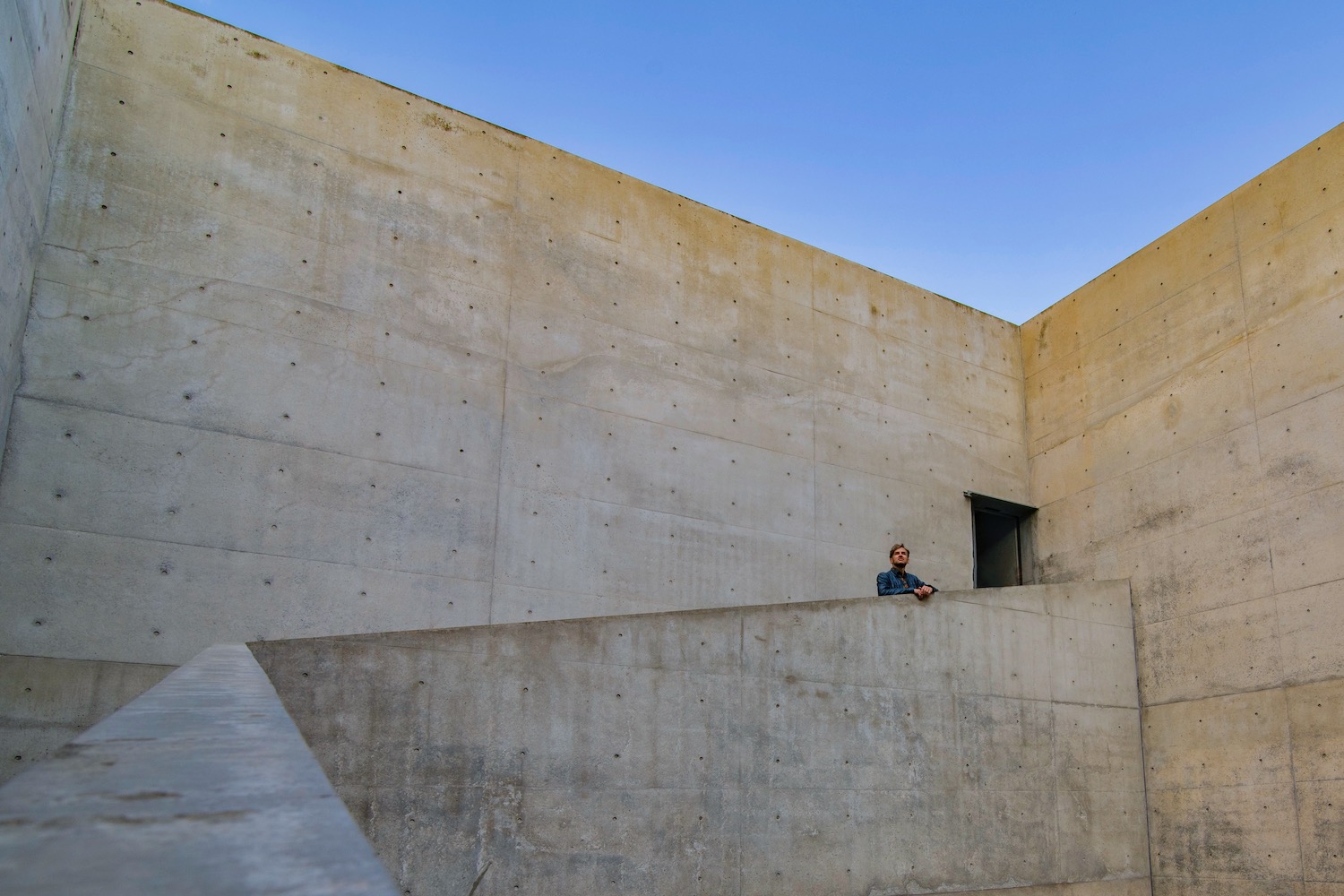
Ferry to Naoshima. Private car. Chichu Art Museum, Benesse House, and the open-air sculptures of Tadao Ando. No queues. No compromise.
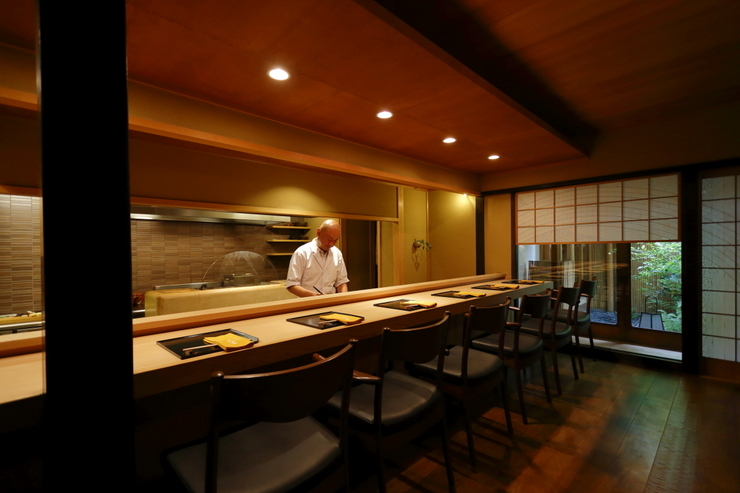
A meal known only to those who live here. Local vegetables, morning-caught fish, and sake chosen for the season.
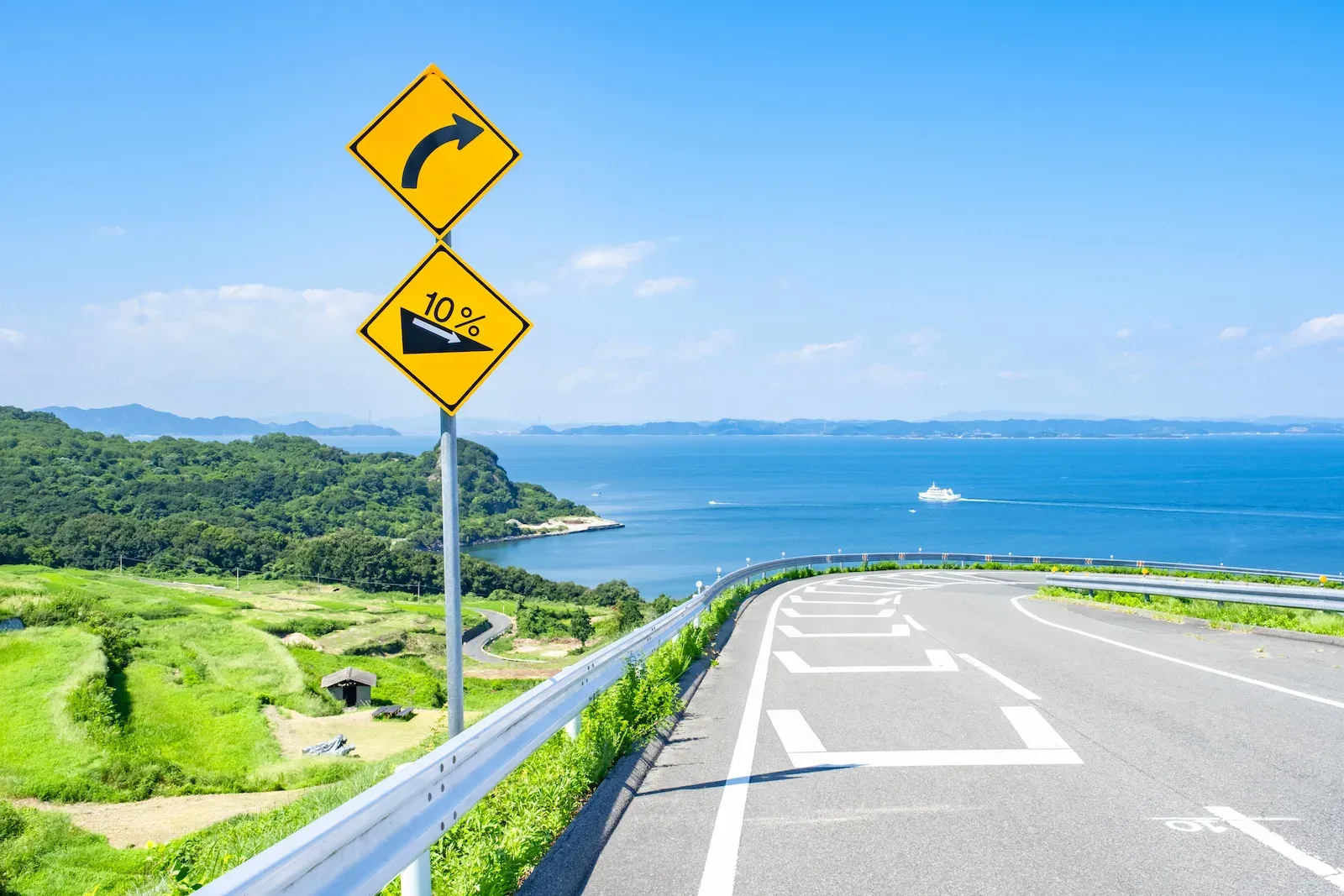
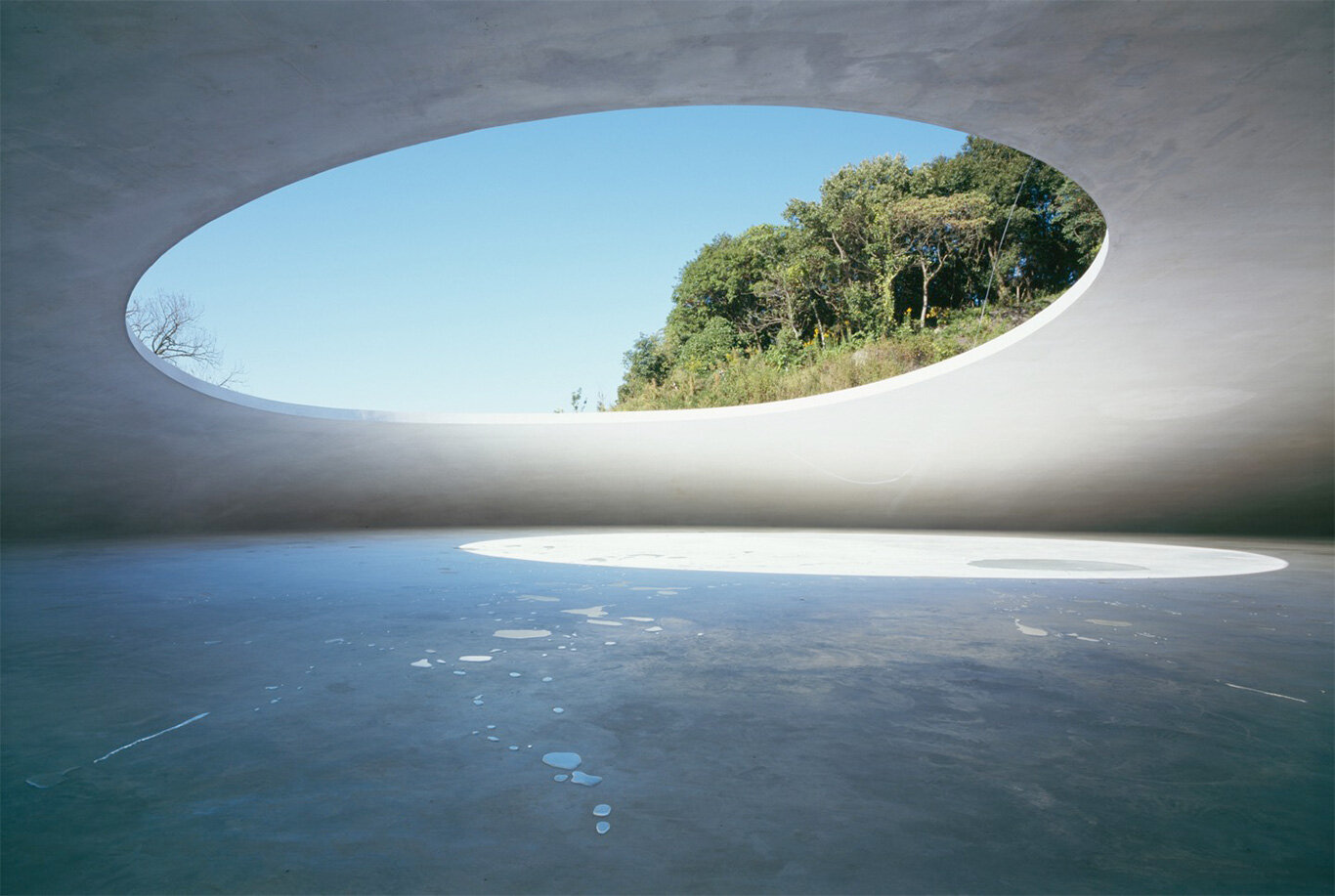
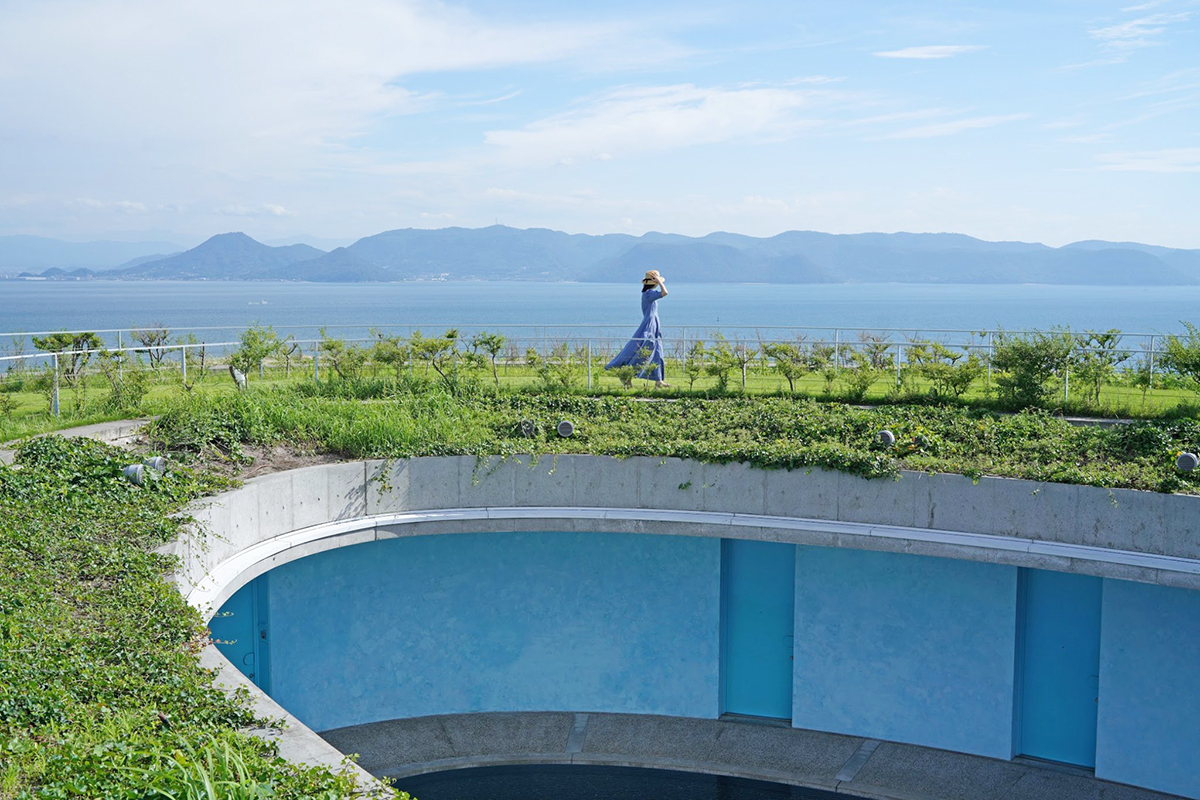
Cycle the coastal roads of Teshima. Sea wind. Open sky. The Teshima Art Museum — a building that breathes with the island.
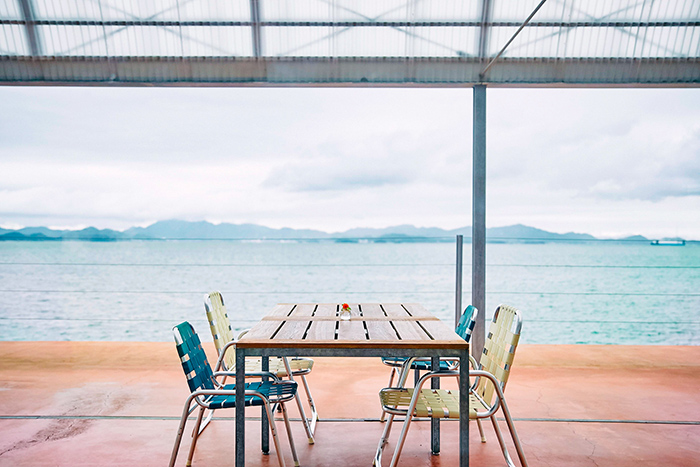
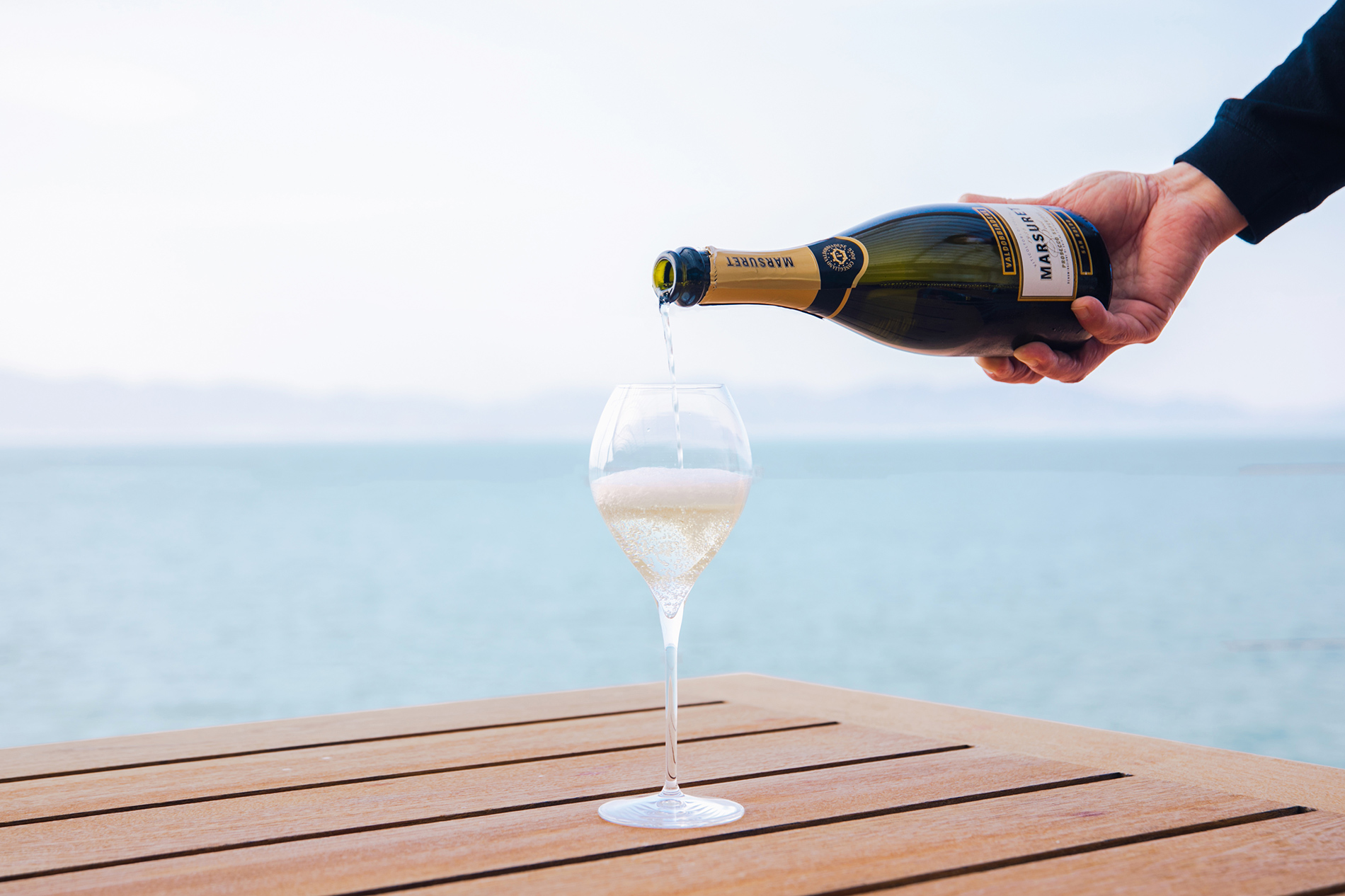
A terrace table. Local wine. The sea in front of you. A last toast to the islands — and a quiet promise to return.
Days 1 – 2
Naoshima is not a museum. It is a living conversation between human creativity and the natural world — where art inhabits the island, growing from its stone and soil, breathing with the tide.
Day 1
Your journey begins not with a map, but with your feet on a mountain trail — and the sea waiting below.
As you climb through cedar forest, the sounds of the world below slowly fall away. And then: the sea. The Seto Inland Sea spreads before you in every direction, its surface alive with light. Islands float like brushstrokes on silk. The wind carries the scent of pine and salt.
You stay until the sun touches the horizon and the sky turns the colour of embers. Some moments ask nothing of you — only that you be present.
Day 1 — Evening
Back at the villa, the evening begins with a visit to the local fish market — where your guide knows every fisherman by name.
Together, you prepare hand-rolled sushi at the kitchen table. There is no performance here, no white-gloved formality. Just the quiet pleasure of good fish, good rice, and a conversation that wanders wherever it wishes.
This is Japanese hospitality at its most honest: generous, unhurried, and impossible to forget.
"The art of Naoshima does not hang on walls alone. It lives in the quality of the light, the curve of a hillside, the way the sea changes colour at noon."
Day 2
Under an open sky, with the sea as backdrop and the sun as curator, you move through spaces that shift your perception of light, space, and silence.
No crowds. No rush. Your private car waits while you linger as long as you wish. The works of Tadao Ando, James Turrell, and Walter De Maria are not displayed here — they inhabit the island, asking only that you slow down enough to feel them.
Art, when encountered this way, does not merely impress — it changes something quietly inside you.
Day 2 — Evening
As evening falls over the island, your guide leads you to a local restaurant known only to those who live here.
Vegetables from nearby farms. Fish from this morning's catch. Rice grown in the valley below. Sake chosen to echo the season. Each dish arrives as a small story — of this place, this moment, this particular evening.
You raise your glass. Outside, the sea has turned to ink.
Day 3
Teshima is the island that teaches you to slow down. Not by asking you to — simply by being itself. Here, the sea and the sky and the silence conspire to return you to yourself.
Day 3
On your final morning, you cycle the coastal road as the sea breeze moves through your hair and the horizon stretches endlessly before you.
There is nowhere you need to be. Nothing you need to do. The Teshima Art Museum — a building that breathes, that collects rainwater, that lets the outside in — asks only that you sit, and watch, and feel. It is one of the most quietly powerful spaces in the world.
By the time you reach the terrace restaurant for your final lunch, you understand that this journey was never really about the islands. It was about finding your way back to yourself.
Day 3 — Farewell
Lunch is on the terrace, with the Seto Inland Sea filling the view from edge to edge. Local wine. The finest the region has to offer.
You look back over three days: the mountain at sunset, the sushi table, the art in the open air, the evening meal, the morning cycle. Each memory sits clearly, like objects in good light.
The ferry back to Uno departs in the afternoon. The sea will still be here when you return. And you will return.
The Stay
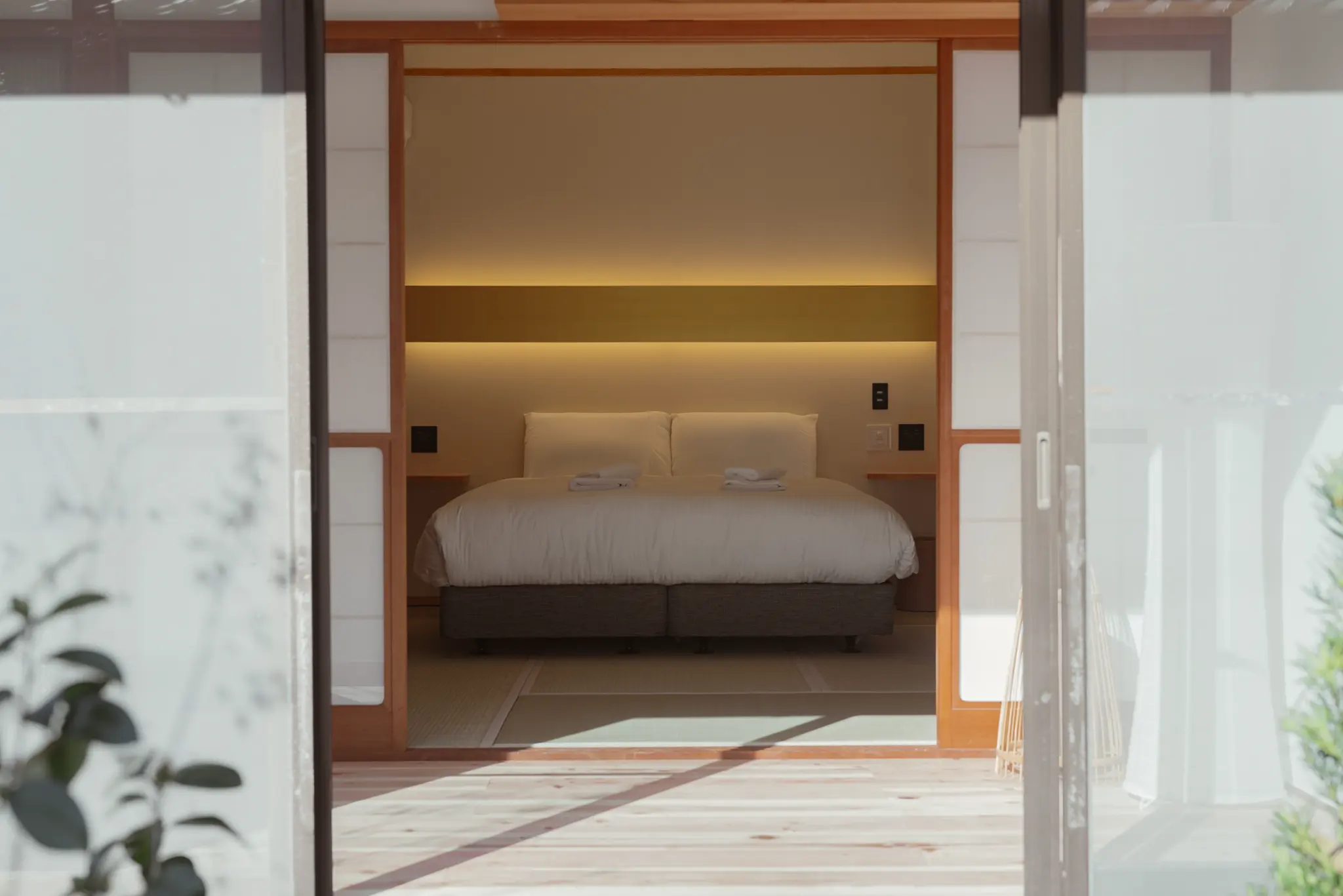
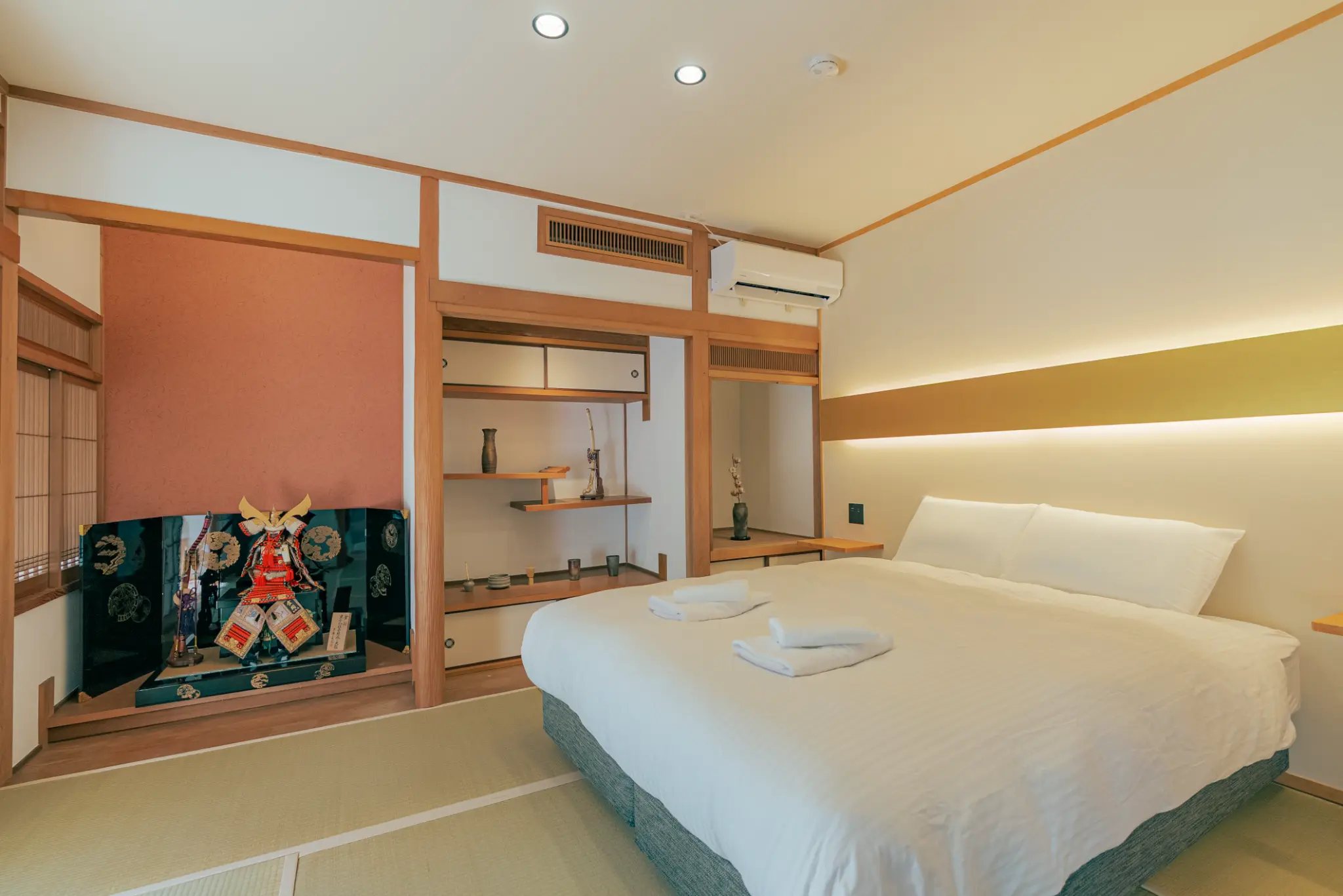
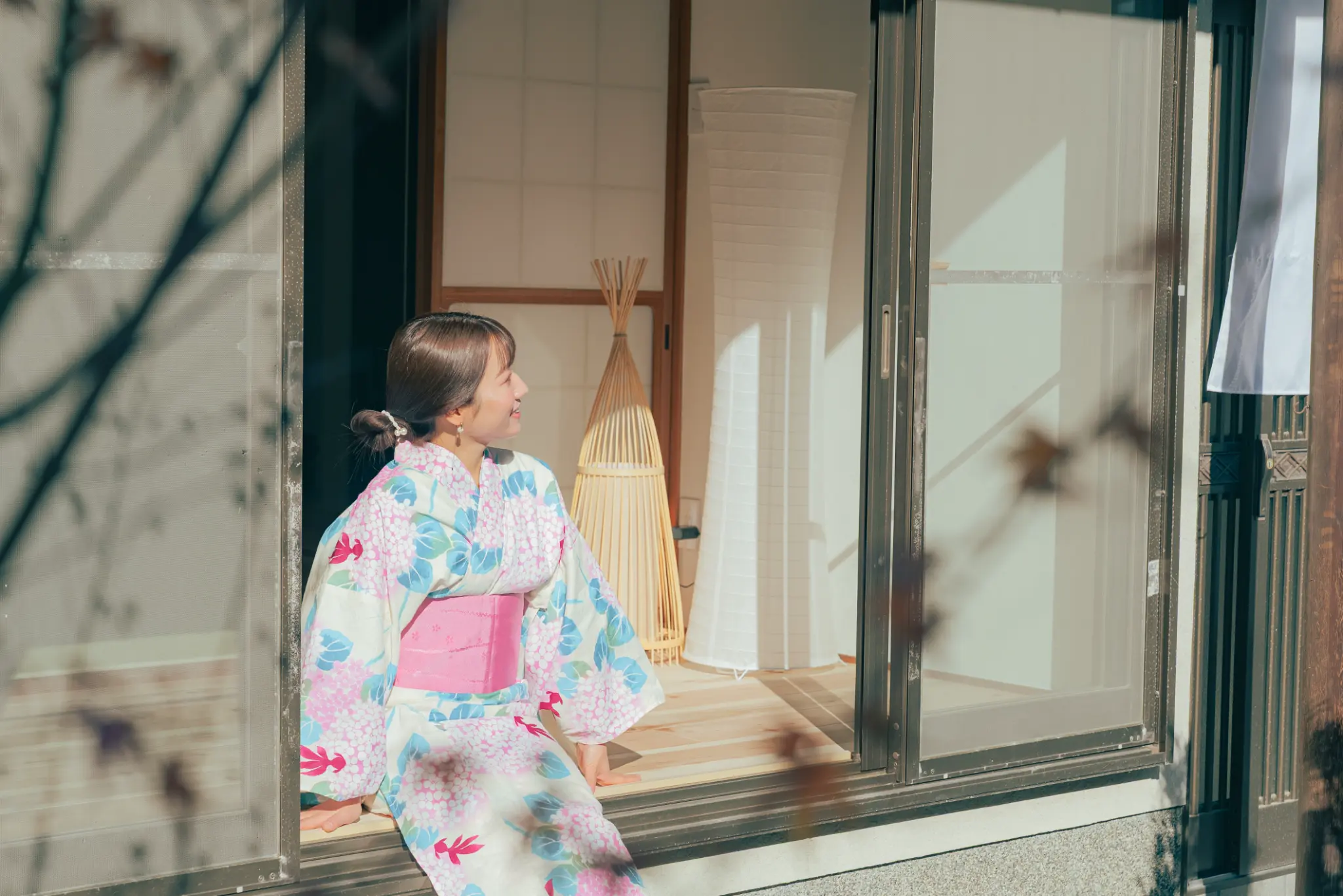
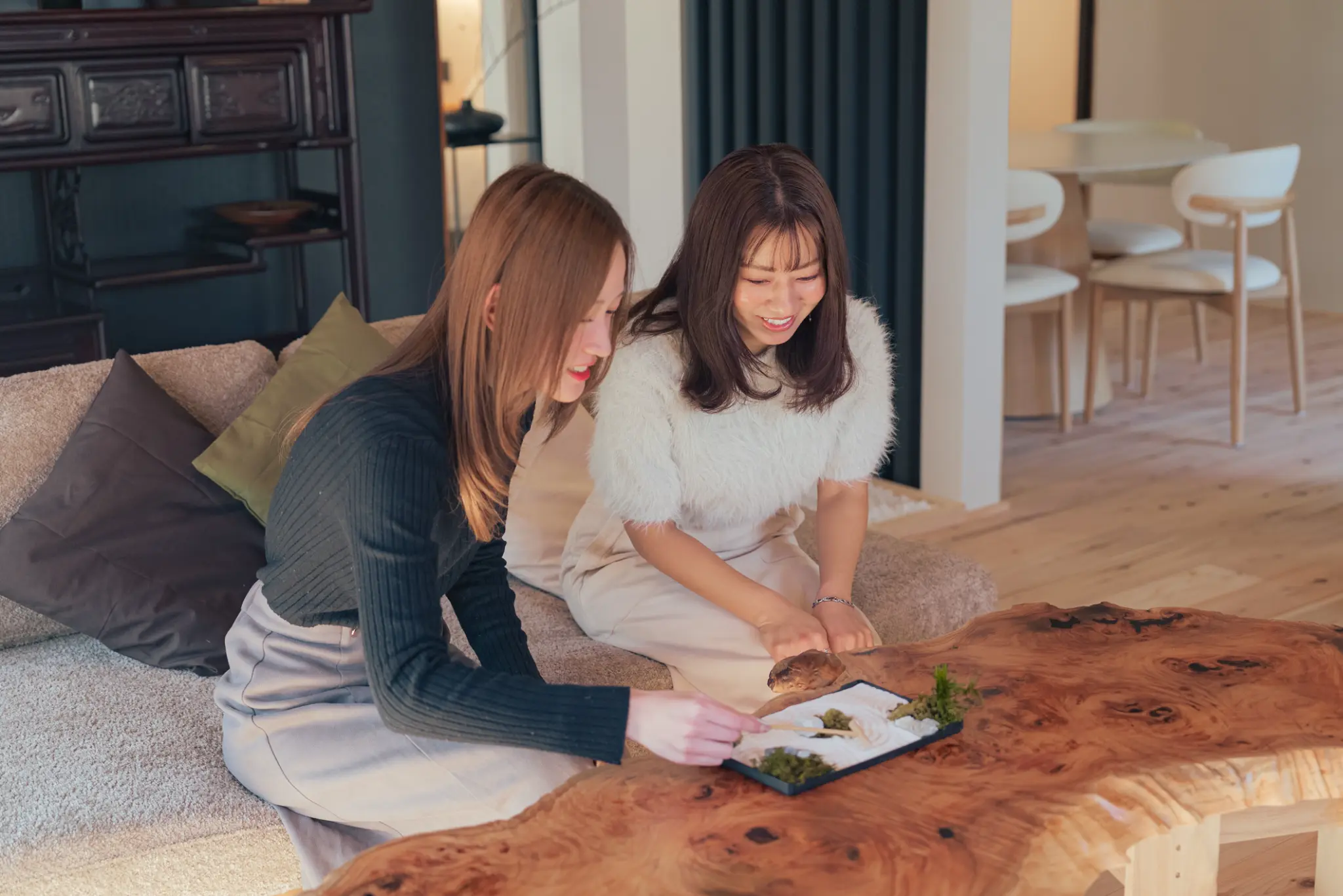
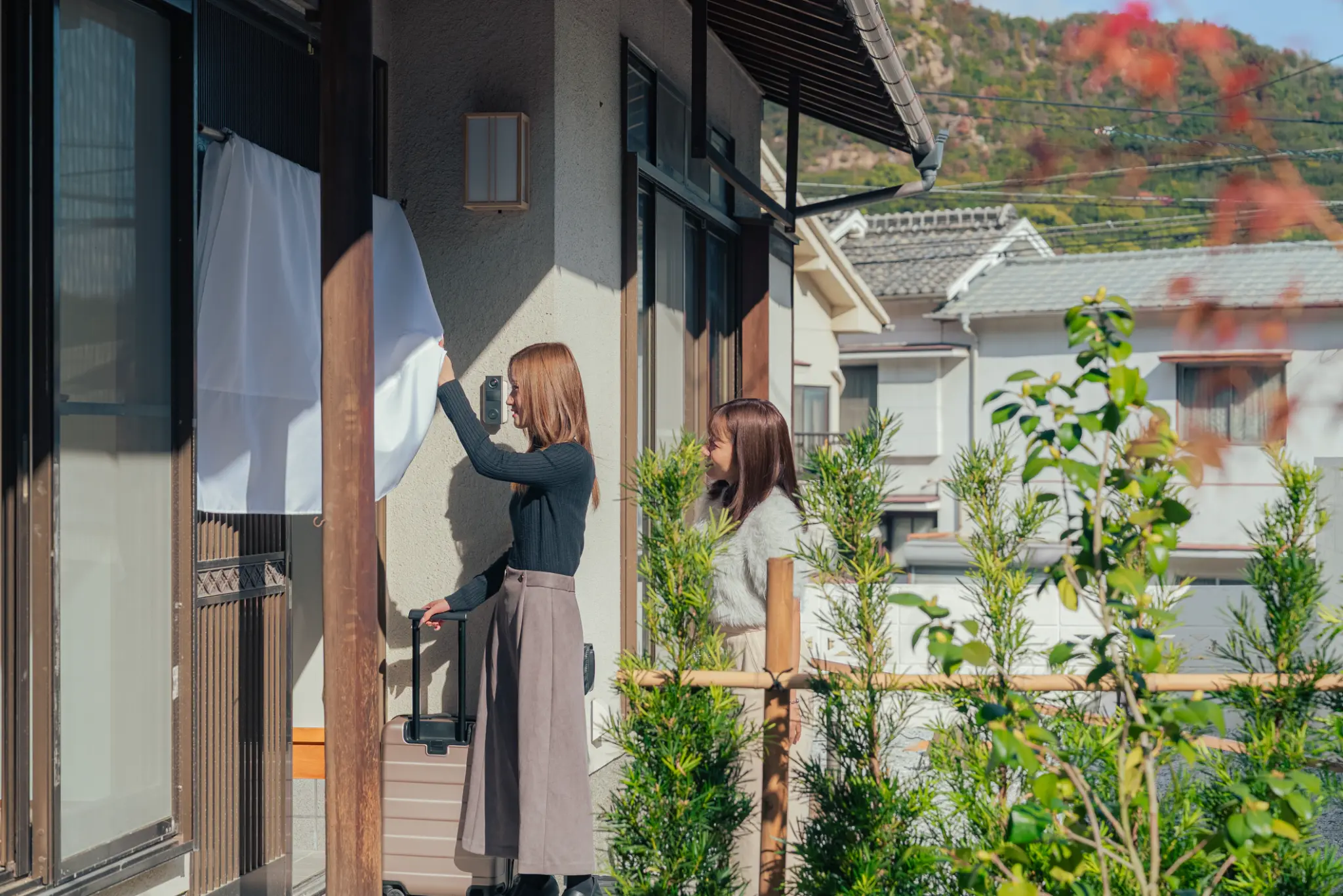
The Nature Uno is a 40-year-old Japanese townhouse, restored with care and furnished with handcrafted objects that carry the quiet weight of time. No clocks. No curtains. Just sliding paper screens, morning birdsong, and a garden that changes with the light.
This is not a hotel. It is a private sanctuary — a place where every object has a story, every room holds a memory, and every morning begins with the sound of birds and the soft glow of dawn through shoji screens.
Handcrafted ceramics, antique furniture, and heirloom Hina dolls — each object in this house carries a story. It is less a hotel than a private museum of Japanese domestic life.
There are no curtains here — only the traditional shoji screens that filter the morning light. You wake to birdsong and the soft glow of dawn, as the Japanese have for centuries.
Mornings begin slowly, with coffee or tea on the engawa veranda, looking out over the courtyard garden and the mountain beyond. The day has nowhere to rush to.


Why The Nature
Your guide is not a professional tour operator. They are a local — someone who grew up eating at these restaurants, hiking these trails, and knowing these fishermen by name. The stories they share cannot be found in any guidebook.
The art islands attract visitors from around the world — and the queues can be long. Your private car means you arrive when the light is right, stay as long as you wish, and move on when you are ready. The journey belongs entirely to you.
This itinerary was built around the Japanese concept of ma — the beauty of empty space, of pauses, of time that is not filled. There is room to wander, to sit, to do nothing at all. That is not a gap in the schedule. It is the point of it.
Investment
per person · 3 days / 2 nights · up to 4 guests
Prices are per person. Minimum 2 guests. Maximum 4 guests.
International flights and travel insurance not included.
Questions
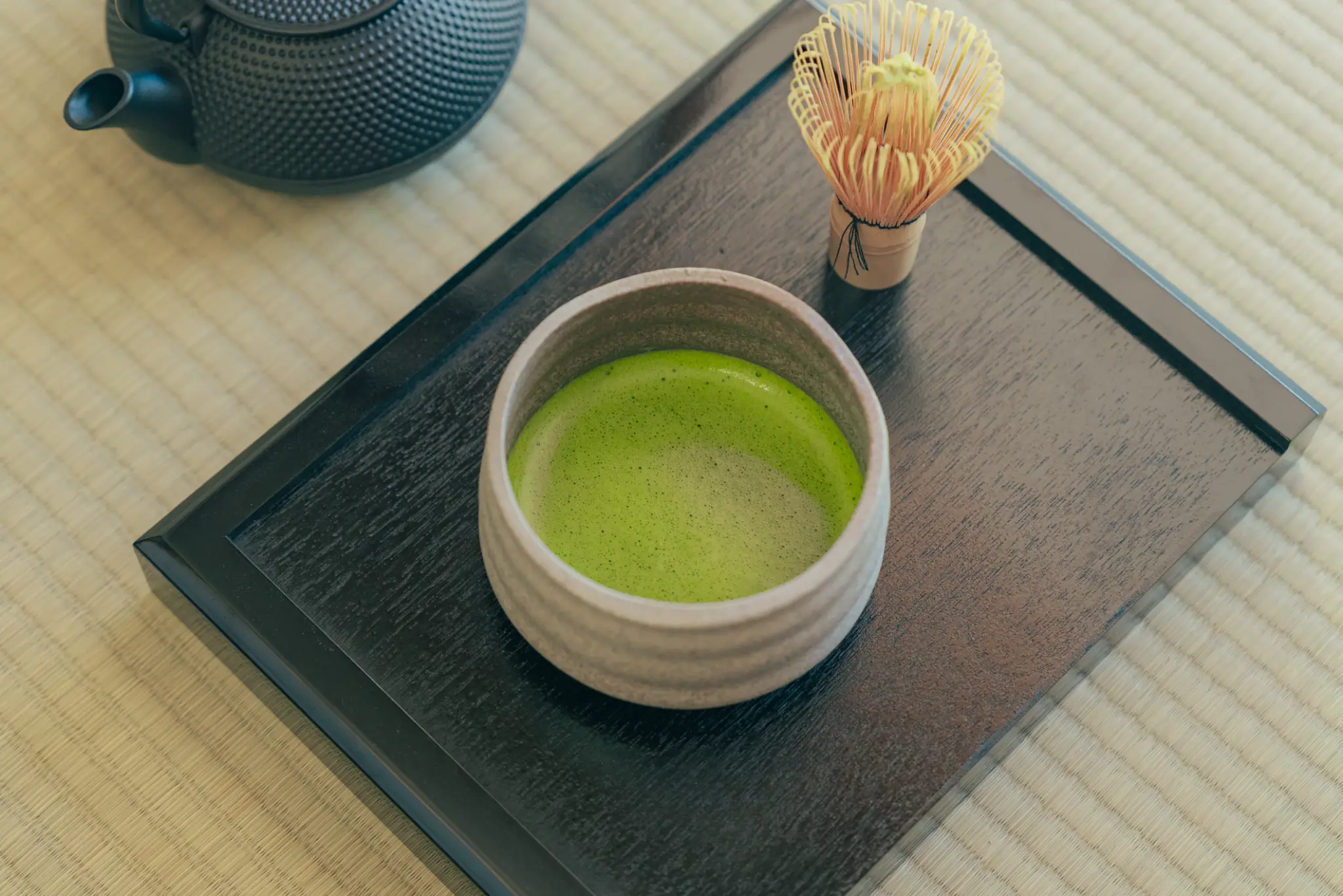
The price covers all accommodation (2 nights at The Nature Uno private villa), all meals from arrival dinner to farewell lunch, private car transportation on Naoshima and Teshima, ferry transfers, guided experiences including the forest hike, sushi-making, and tea ceremony, all museum entrance fees, and the services of your dedicated local guide throughout.
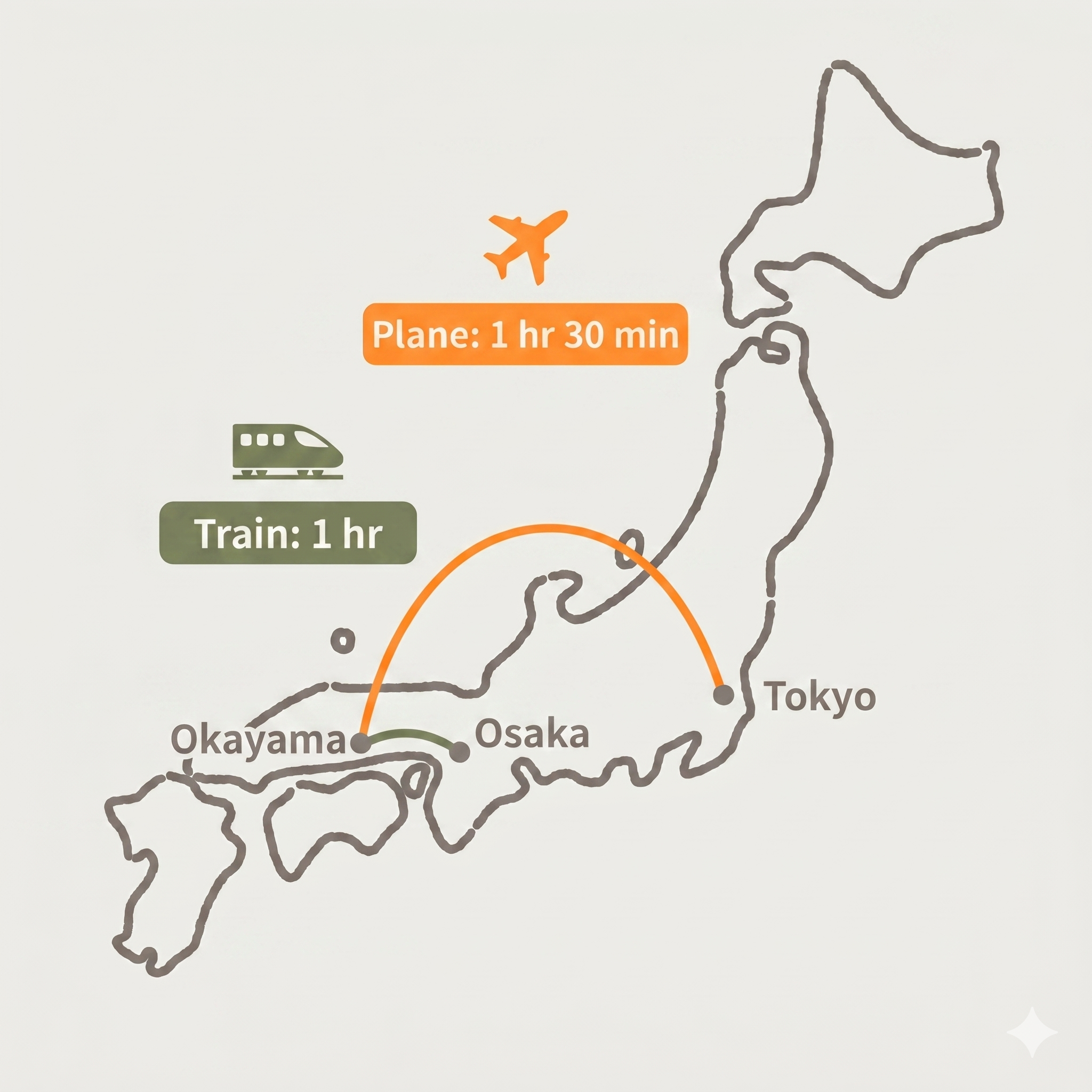
Uno is easily accessible from Tokyo (approx. 1.5 hours by air to Okayama Airport, then 40 minutes by car) or from Osaka (approx. 1 hour by Shinkansen to Okayama Station, then 40 minutes by car to Uno Port). We are happy to arrange private transfer from Okayama Station or Airport upon request.
The journey is designed for groups of 2 to 4 guests. Solo travellers are welcome to join an existing group booking, or to book exclusively for themselves at the 2-person minimum rate. Please inquire for current availability.
Yes. While the core structure of the journey is carefully designed for rhythm and balance, we are happy to discuss adjustments — whether that means adding an extra day, focusing more time on a particular island, or incorporating specific dietary requirements or accessibility needs. Please mention your preferences when you enquire.
The Seto Inland Sea is beautiful in every season. Spring (March–May) brings mild temperatures and cherry blossoms. Autumn (October–November) offers dramatic foliage and the clearest light. Summer is warm and vivid. Winter is quiet and contemplative. The Setouchi Triennale art festival takes place in spring, summer, and autumn in odd-numbered years — a particularly special time to visit.
Not at all. Your guide is fluent in English and will handle all communication throughout the journey. All restaurant reservations, museum bookings, and transportation arrangements are managed on your behalf.
Cancellations made more than 30 days before the journey start date receive a full refund. Cancellations within 30–14 days receive a 50% refund. Cancellations within 14 days are non-refundable. We strongly recommend travel insurance. Please contact us to discuss your specific situation.